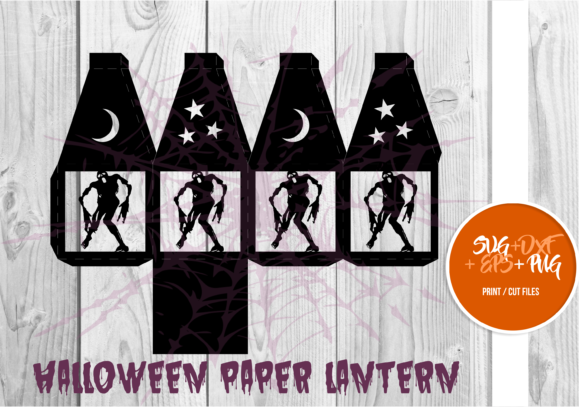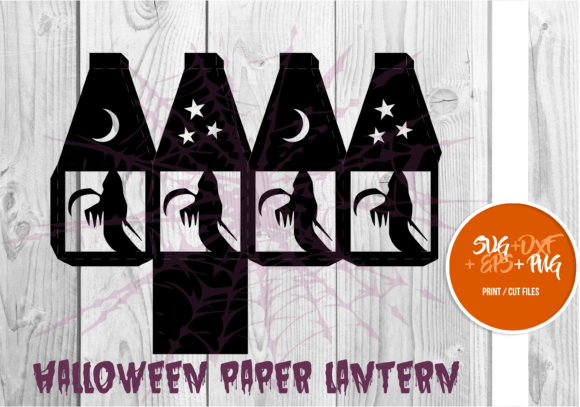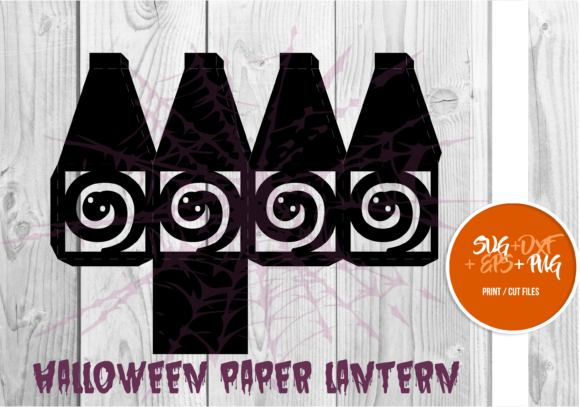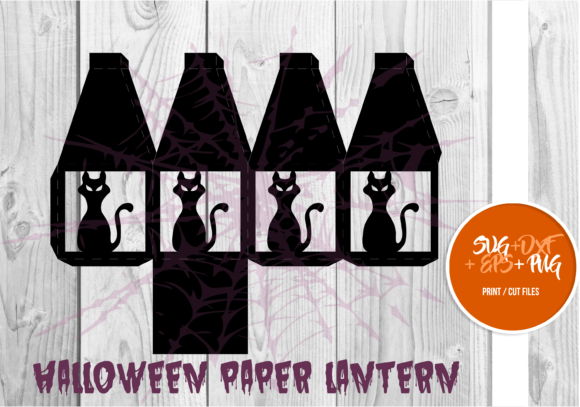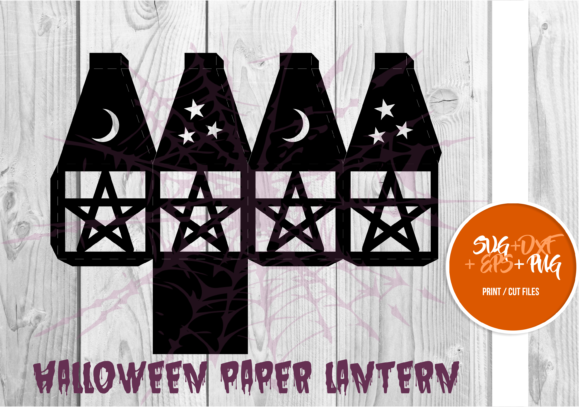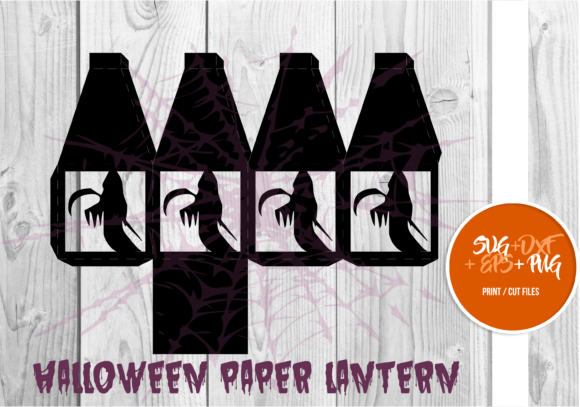
Halloween Paper Lantern Series 081: A Designer’s Review
As a professional embroidery digitizer and product reviewer, I approach every new asset with a critical eye toward production viability. When evaluating the Halloween Paper Lantern Series 081, my first thought wasn't just about its aesthetic charm, but how this specific shape translates from a digital screen to a tangible, stitched reality. While the product description highlights its origins as a 3D SVG designed for an 8.5 x 11.7 sheet for window or shelf decor, my focus here is strictly on its adaptation for machine embroidery. For Etsy sellers, apparel decorators, and makers of handmade products, understanding the structural integrity of this lantern design is crucial before committing thread to fabric.
Translating Paper Craft Geometry to Stitch
The visual personality of Halloween Paper Lantern Series 081 is distinct. It carries a nostalgic, folk-art mood that differs significantly from generic cartoon pumpkins or spooky bats. The geometric folds and segmented panels inherent in a paper lantern create natural opportunities for embroidery, but they also present specific challenges. In a digital file intended for cutting machines, these fold lines are simple vectors. In an embroidery file, however, they must be interpreted as running stitches, satin stitch borders, or fill stitch boundaries.
From a design perspective, this lantern offers excellent "stitchability" because of its defined edges. Unlike organic shapes that can look muddy if digitized poorly, the structured nature of Series 081 provides clear registration points. This makes it an ideal candidate for applique design work. I can easily visualize using a felt or cotton base for each lantern segment, secured with precise satin stitch columns. This technique not only reduces overall stitch density compared to a full-fill design but also adds a tactile, premium quality that customers associate with high-end holiday embroidery.
Real-World Application: The Custom Tote Bag Test
To truly evaluate this asset, I mentally placed it into a current client project: a line of autumnal canvas tote bags for a local boutique. The goal was a sophisticated, non-cheesy Halloween aesthetic that could transition into general fall decor after October 31st. Halloween Paper Lantern Series 081 fits this brief perfectly due to its architectural silhouette rather than overt horror elements.
For this tote bag design, the vertical orientation of the lantern works harmoniously with the bag's proportions. However, scaling is everything. On a standard 14x16 inch canvas tote, resizing the lantern to approximately 5x7 inches maintains the integrity of the internal details. If scaled down too small for a pocket-sized accent, the intricate panel divisions risk becoming a dense, stiff puckered mess. Conversely, maximizing the hoop size without adjusting stitch types could result in excessive thread usage and long run times, eating into profit margins for commercial embroidery projects.
In this scenario, I would pair the lantern with matte-finish rayon threads in muted terracotta, charcoal, and cream. High-sheen polyester might make the paper lantern look plastic, undermining the vintage vibe. The contrast between the matte thread and the textured canvas creates a cohesive handmade product that photographs beautifully for printable mockups and social media listings.
Critical Considerations for Fabric and Stabilizer
While the shape is versatile, Halloween Paper Lantern Series 081 demands respect regarding substrate selection. Because the design relies on straight lines and geometric precision, it is unforgiving on unstable fabrics.
- Stretchy Knits and Sweatshirts: If applying this to a sweatshirt or baby clothes, you must use a heavy-duty cut-away stabilizer and potentially a topping. The rigid geometry of the lantern will distort instantly on jersey knit if the fabric shifts during stitching. Test the design on scrap fabric first to ensure the corners remain sharp.
- Textured Fabrics: On tea towels or linen pillow covers, the texture can compete with fine running stitch details within the lantern. You may need to increase the stitch length or convert delicate inner lines to satin stitches to ensure visibility against the weave.
- Dark Fabrics: This design likely relies on light passing through it conceptually. On black or navy fabric, the lantern loses its "glow." You will need to add an underlay or a light-colored background applique layer to make the lantern pop. Without this, the design disappears, reducing perceived value.
- Curved Surfaces: Avoid placing this centered design directly over seams or curved cap fronts unless you have flattened the area sufficiently. The straight vertical lines of the lantern will highlight any curvature in the hooping, making the finished product look crooked.
Commercial Viability and Product Value
For creative entrepreneurs and small shop owners, time is money. Halloween Paper Lantern Series 081 has strong potential for batch production because its modular shape allows for color swapping without re-hooping. You could stitch three lanterns in different colorways sequentially, creating a set of coordinating kitchen towels or nursery decor items efficiently.
However, professionalism lies in the finish. Before listing any finished product derived from this digital embroidery file, inspect the stitch density. Paper lantern designs can sometimes be deceptively dense where panels overlap. If the center feels like bulletproof vest material, you must edit the file to remove redundant underlay or reduce fill density. Customers judge quality by touch; a stiff, heavy design on a lightweight garment signals poor craftsmanship, regardless of how good the digital preview looked.
Furthermore, consider the licensing. As this originates from a downloadable paper craft series, verify explicitly that the creator permits commercial embroidery use. Selling physical embroidered items often requires different permissions than selling the digital file itself. Protect your business by confirming these terms before investing in inventory.
Designer Notes for Successful Execution
If you decide to incorporate Halloween Paper Lantern Series 081 into your catalog, follow these practical steps to ensure success:
- Verify Hoop Compatibility: The original specs mention 8.5 x 11.7 paper dimensions. Do not assume this equals an 8x12 embroidery hoop. Measure the actual stitch field required after conversion. Always leave adequate margin for hoop grip.
- Mockup in Context: Don't rely solely on software previews. Print a life-size template and tape it to your intended garment or item. Does the scale feel right? Is the placement balanced? This analog check saves wasted materials.
- Thread Color Strategy: Test on both light and dark backgrounds. A lantern that looks vibrant on white muslin may require a complete palette overhaul for denim. Document your successful thread combinations for future reorders.
- Wash Testing: If selling baby embroidery or apparel, wash and dry your test sample. Geometric shapes can warp if shrinkage rates between fabric, stabilizer, and thread differ. Pre-shrinking materials is non-negotiable for professional results.
- Detail Inspection: Zoom in to 400% in your embroidery software. Ensure no jump stitches cross open areas unnecessarily and that trim commands are optimized. Clean digitizing separates hobbyist output from boutique-quality goods.
Halloween Paper Lantern Series 081 offers a refreshing alternative to standard seasonal motifs, bridging the gap between traditional craft and modern machine embroidery. Its success in your shop depends entirely on thoughtful adaptation. By respecting the geometry, choosing appropriate substrates, and validating the technical execution through rigorous testing, you can transform this digital shape into a best-selling embroidered patch, custom apparel feature, or cherished holiday gift. Always prioritize the tactile reality of the stitch over the digital perfection of the screen, and your customers will recognize the difference in every handmade product you create.