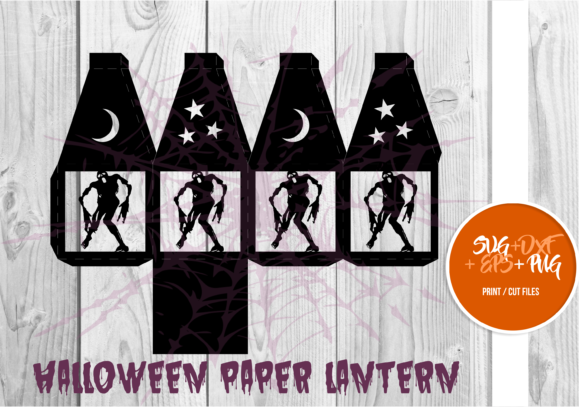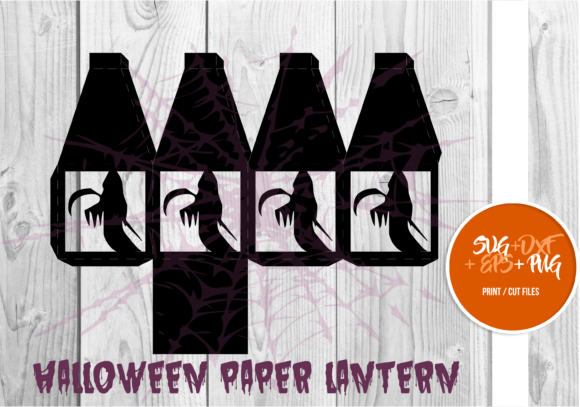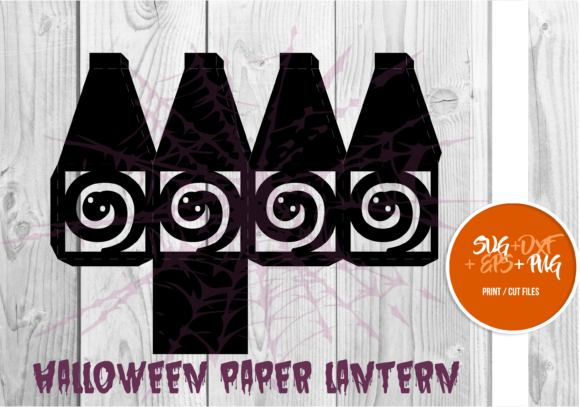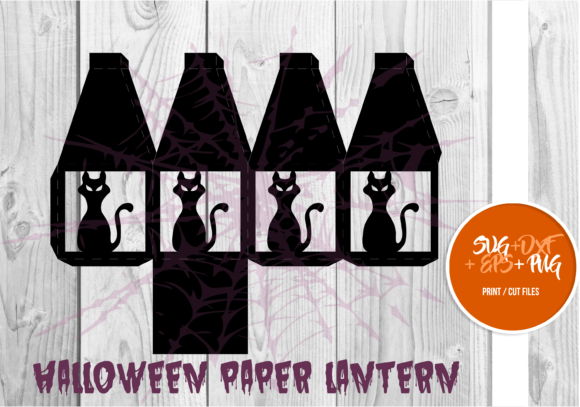
Halloween Paper Lantern Series 080: A Designer’s Review
As an embroidery digitizer and product reviewer, I approach every new asset with a critical eye toward its final stitched reality. When evaluating the Halloween Paper Lantern Series 080, my first thought wasn't just about the aesthetic appeal of the lantern itself, but how this specific shape translates from a digital screen to needle and thread. While the product description highlights its suitability for an 8.5 x 11.7 sheet as a paper craft or window display, my focus here is strictly on its viability as a foundation for textile projects. For makers, Etsy sellers, and apparel decorators, understanding the structural integrity of this design is crucial before committing it to fabric.
Translating Digital Shapes to Stitched Reality
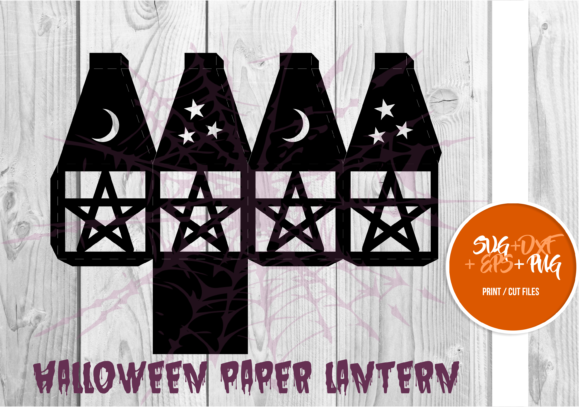
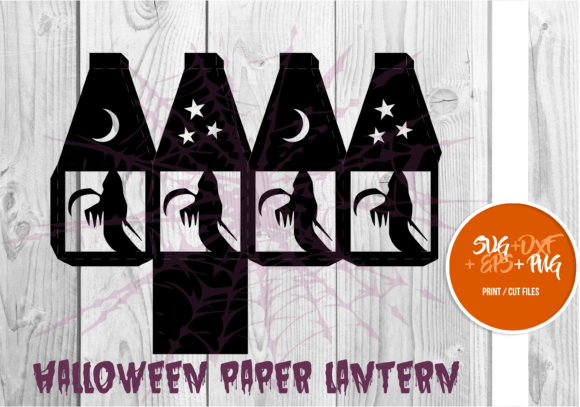
The visual personality of Halloween Paper Lantern Series 080 is distinct. It carries a whimsical yet structured mood that feels appropriate for both vintage-inspired holiday decor and modern boutique merchandise. However, because this asset originates as a 3D SVG intended for paper assembly, we must assess its geometry for embroidery. Paper lanterns rely on crisp folds and rigid lines; embroidery relies on thread tension and fabric drape. This disconnect is where many designs fail, but it is also where opportunity lies for the thoughtful designer.
In reviewing the silhouette, the vertical ribs and horizontal bands of the lantern offer natural segmentation. For an applique design, these segments are gold. They allow you to break up large fill areas with different fabric textures or prints without creating a dense, bulletproof patch of stitching. If you are planning a sweatshirt embroidery project, this segmentation helps the garment retain its flexibility. A solid block of satin stitch in the center of a chest panel can cause puckering and discomfort, but the open structure of this lantern shape mitigates that risk significantly.
Real-World Application: The Custom Tote Bag Test
To truly judge the commercial viability of this design, I mentally prototyped a custom canvas tote bag for a fall market collection. Tote bags are a staple handmade product, but they present unique challenges due to the coarse weave of canvas and the need for durability. Here is how Halloween Paper Lantern Series 080 performs in this specific scenario.
First, the scale. The original dimensions fit a standard letter/A4 sheet, which is quite large for most embroidery hoops. For a tote bag, you would likely need to resize this down to a 5x7 or 6x10 footprint. When scaling down a shape-based design, fine details can get lost. I looked closely at the intersection points of the lantern's frame. In a real stitching environment, if those lines are too thin, they may disappear into the canvas texture. Conversely, if they are merely outlined with a running stitch, they might look unfinished on a heavy bag. My professional recommendation for this application is to convert the lantern’s frame into a narrow satin stitch border or a decorative stitch line to ensure visibility against the textured background.
Secondly, consider the "window" effect. Since this lantern is designed to be backlit in paper form, it has negative space. On a tote bag, you could utilize this negative space creatively. Imagine placing a piece of orange or black cotton behind the applique layers to simulate the glow, or using a sheer organza overlay within the lantern panels to mimic the translucency of paper. This elevates the item from a simple embroidered bag to a premium personalized gift that showcases high-level craftsmanship.
Navigating Fabric Limitations and Hoop Constraints
While the design is versatile, there are specific environments where Halloween Paper Lantern Series 080 requires caution. As a shape-centric asset, it demands precision. Here is where you need to pause and plan:
- Stretchy Fabrics: If applying this to a baby onesie or lightweight knit tee, the geometric rigidity of the lantern can fight against the stretch of the fabric. You must use a high-quality cut-away stabilizer and potentially a topping to prevent the design from distorting during wear and washing.
- Curved Surfaces: Avoid placing this design directly across the seam of a cap or the side seam of a sleeve. The lantern’s symmetry will highlight any misalignment caused by the curve. Keep it centered on flat panels.
- Dark Fabrics: The intricate internal lines of the lantern may vanish on black or navy fabric unless you increase the contrast. Test your thread colors rigorously. A metallic gold or bright orange outline may be necessary to define the shape against dark backgrounds.
- Small Hoop Sizes: If you are working with a 4x4 hoop, do not simply shrink the entire design. The internal details will become muddy. Instead, crop the design to feature just the top ornate section or a single detailed panel, turning it into a pocket-sized accent rather than forcing a complex image into a tiny space.
Commercial Value and Customer Perception
For Etsy sellers and small shop owners, the perceived value of a finished product hinges on execution. Halloween Paper Lantern Series 080 offers a sophisticated alternative to generic jack-o'-lantern clip art. Its architectural quality suggests a higher price point. When used in commercial embroidery, this design signals that you understand composition and theme beyond basic cartoons.
However, trust is built through consistency. If you sell this as part of a digital bundle or use it for print-on-demand mockups, ensure the digital representation matches what a machine can actually produce. Customers who buy digital embroidery files based on this shape will expect clean vectors. If you are selling the physical embroidered item, your listing photos should show the texture of the stitches. Flat, over-edited mockups can lead to returns if the customer expects the crispness of paper but receives the organic texture of thread. Be transparent about the medium.
Essential Pre-Stitch Checklist for Makers
Before you load this file into your machine or list it in your shop, run through this practical checklist derived from professional testing standards:
- Verify Licensing: Confirm whether your purchase of Halloween Paper Lantern Series 080 includes commercial rights for finished goods versus digital redistribution. Never assume; always check the specific license terms provided with the download.
- Stitch Density Check: Open the file in your embroidery software. Even if it is marketed as a shape, ensure it has been properly digitized for fabric. If it is purely a vector cutting file, you cannot stitch it directly. It must be converted to PES, DST, JEF, or your machine’s native format with appropriate underlay and pull compensation.
- Test on Scrap: Always stitch out on a scrap of the exact fabric you intend to use. Canvas behaves differently than quilting cotton or fleece. Adjust tension and stabilizer based on this test.
- Color Contrast Simulation: View the design in grayscale on your computer before stitching. If the lantern blends into the background in black and white, it will lack definition in color. Adjust thread values accordingly.
- Wash Test: If this is for apparel or tea towels, wash and dry the test swatch. Geometric shapes can warp if the stabilizer wasn't adequate. Better to discover this on a scrap than on a client’s custom order.
Final Thoughts on Design Versatility
Halloween Paper Lantern Series 080 is more than just a seasonal decoration; it is a structural template for creative embroidery. Its success in your studio depends entirely on respecting the difference between paper geometry and textile physics. By treating it as a framework for applique, respecting fabric limitations, and validating your technical settings, you can transform this digital shape into a tangible, high-value asset for your business. Whether you are crafting a bespoke nursery pillow or a line of autumn tote bags, let the precision of the design guide your needle, but let your knowledge of materials dictate the outcome.