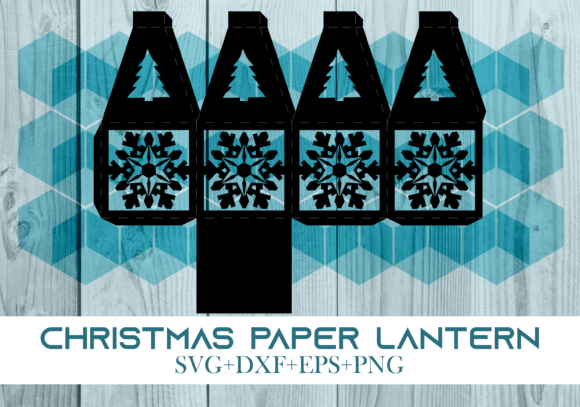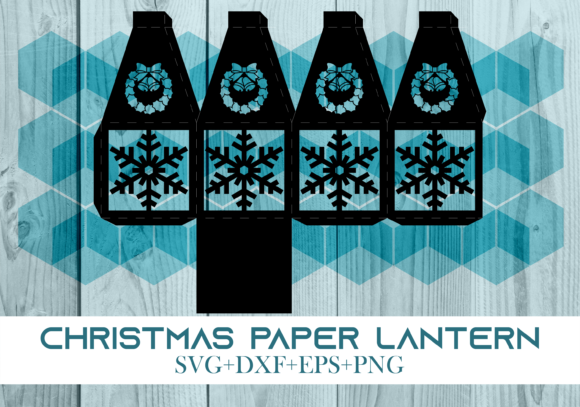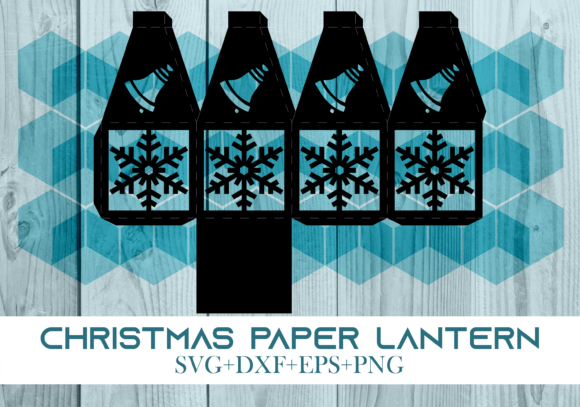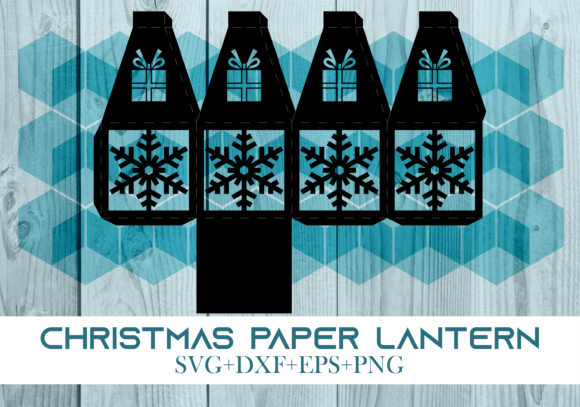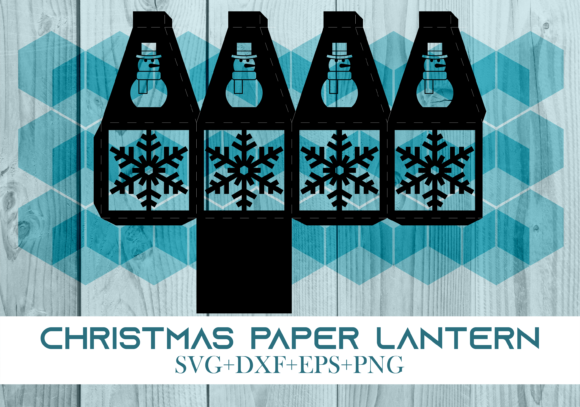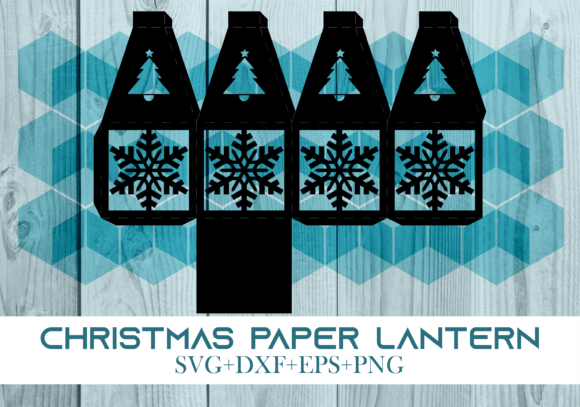
Reviewing Christmas Paper Lantern Series 0517
As a designer who constantly balances aesthetic appeal with production reality, I approach every new digital asset with a critical eye. When I first opened the files for Christmas Paper Lantern Series 0517, my immediate focus was not just on the festive charm, but on how this design translates from a screen to a tangible, stitched reality. This lantern is designed to fit on an 8.5 x 11.7 sheet, which immediately suggests a specific scale and presence. While the product description highlights its beauty as a standalone paper decor piece for windows or shelves, my mind went straight to textile applications. For embroidery designers and small business owners, the question is always whether a visual concept can survive the transition to thread without losing its soul or causing production headaches.
Translating Paper Aesthetics to Thread
The visual personality of Christmas Paper Lantern Series 0517 is delicate yet structured. It evokes a sense of traditional warmth and intricate craftsmanship that customers associate with high-quality holiday goods. However, paper lanterns rely on light passing through negative space, whereas embroidery relies on texture and density. In reviewing this design for real-world application, I see immense potential for applique design techniques. Rather than attempting to replicate the translucency of paper with dense fill stitches—which would result in a stiff, bulletproof patch—I envision using lightweight fabrics like cotton lawn or silk organza for the lantern body, secured with precise satin stitch borders.
This approach maintains the airy feel of the original 3D SVG concept while making it viable for textiles. The layout fits beautifully within standard rectangular hoop sizes, making it accessible for makers who do not own industrial multi-needle machines. For an Etsy seller or boutique owner, this design offers a sophisticated alternative to generic Santa or reindeer motifs. It feels curated and artistic, which helps justify a higher price point for finished products like custom embroidered tote bags or premium tea towels.
Real-World Application: The Holiday Tote Bag Test
To truly evaluate the commercial viability of Christmas Paper Lantern Series 0517, I mentally prototyped a custom canvas tote bag intended for holiday market sales. Tote bags are a staple for craft businesses because they serve as walking advertisements and practical gifts. In this scenario, the lantern design acts as the centerpiece. The 8.5 x 11.7 dimension is perfect for a standard 15x14 inch tote, allowing for ample breathing room around the artwork.
In this real-life case, the stitching clarity becomes paramount. Canvas has a distinct fabric texture that can swallow fine details. If the lantern features intricate internal cutouts or thin connecting lines, I would advise reinforcing those areas with a running stitch underlay before applying any decorative top stitching. Without this foundation, the design might distort during washing. For a handmade product aimed at gift-givers, durability equals customer trust. If a buyer purchases this embroidered tote as a personalized gift, they expect it to last beyond a single holiday season. By treating the digital file as a blueprint rather than a final command, you ensure the finished product meets professional standards.
Navigating Fabric Limitations and Stabilizer Choices
While Christmas Paper Lantern Series 0517 is versatile, it requires careful consideration regarding substrate selection. Not all fabrics will support the structural integrity of a lantern motif. I would use extreme caution when applying this to stretchy knits or lightweight jersey used in baby embroidery. The tension required to keep the lantern shape crisp could cause puckering or fabric distortion on unstable materials. If you intend to use this on apparel like sweatshirts or t-shirts, a heavy-duty cutaway stabilizer is non-negotiable. You may even need to consider a water-soluble topping to prevent the stitches from sinking into the fleece or knit pile.
Dark fabrics present another challenge. Paper lanterns are inherently associated with light. Stitching a white or cream lantern on navy velvet creates stunning contrast, but it also demands higher stitch density to prevent the dark background from bleeding through. Conversely, stitching a colored lantern on white linen requires enough coverage to look opaque without becoming too rigid. Always test your thread colors against the specific fabric texture before committing to a full production run. A printable mockup is useful for client approval, but only a physical stitch-out confirms whether the color values hold up under actual lighting conditions.
Commercial Considerations for Makers and Sellers
For creative entrepreneurs integrating this machine embroidery design into their catalog, understanding the balance between detail and production time is key. Intricate lantern designs can sometimes carry high stitch counts if digitized poorly. Before listing a finished item, verify the stitch density. If the design is overly dense, it may take too long to embroider to remain profitable for low-cost items like ornaments or patches. However, for larger items like pillow covers or wall hangings, that same density contributes to a luxurious, heirloom quality.
Licensing is another critical factor. Always confirm whether your purchase includes commercial rights for selling physical embroidered items versus selling the digital embroidery file itself. Most designers prohibit reselling the raw file, but allow sales of the finished product. Clarifying this protects your business and respects the original creator. Additionally, when creating listings for platforms like Etsy, photograph the actual stitched sample rather than relying solely on digital renders. Buyers want to see how the satin stitch catches the light and how the applique edges are finished. Authenticity drives engagement far more effectively than a perfect, sterile digital preview.
Essential Pre-Stitch Checklist for Success
Before hooping up your best fabric for Christmas Paper Lantern Series 0517, run through this practical checklist to avoid costly mistakes:
- Verify Hoop Compatibility: Ensure your machine’s maximum stitch area accommodates the full 8.5 x 11.7 dimensions if you plan to stitch it at full size. Resizing complex designs can sometimes alter stitch properties, so check your software’s recalculation settings.
- Test on Scrap Material: Never skip the test stitch. Use a scrap of the exact fabric and stabilizer combination you plan to use for the final project to check for registration issues or puckering.
- Evaluate Small Details: Inspect any tiny lettering or thin lattice work within the lantern. If these elements are smaller than 2mm, they may need to be simplified or removed to prevent needle breaks and thread bunching.
- Check Thread Contrast: View your thread selection in both natural daylight and indoor warm light. Holiday embroidery often happens in dimly lit homes; ensure the design remains visible and attractive in low-light environments.
- Confirm Washability: If the end product is a kitchen towel or baby item, wash and dry the test swatch. Some metallic or rayon threads used for festive shine may not withstand frequent laundering, requiring a switch to polyester.
- Review Licensing Terms: Double-check the specific usage rights included with your download package to ensure your intended commercial application is permitted.
Christmas Paper Lantern Series 0517 represents a beautiful intersection of traditional holiday aesthetics and modern digital crafting. Whether you are creating a bespoke window display, a line of festive tote bags, or a unique nursery decoration, success lies in respecting the technical constraints of embroidery. By approaching this design with a maker’s mindset—prioritizing stability, appropriate materials, and thoughtful execution—you transform a simple digital file into a cherished, tangible asset that resonates with customers and celebrates the season with genuine craftsmanship.