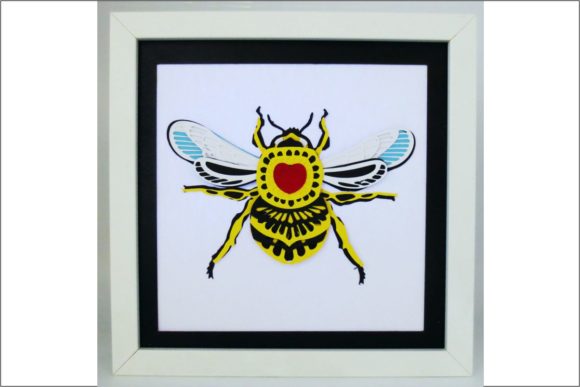
Reviewing Bee - 3D: A 3D SVG Shadow Box for Modern Branding and Marketing
As a brand designer and content marketer, I’m always on the lookout for design assets that elevate a campaign without overwhelming the core message. The Bee - 3D template immediately caught my eye—not just for its visual appeal, but for its versatility in marketing and branding use cases. This high-quality 3D paper template comes as a vector file, making it scalable for both print and digital applications, including the 23 x 23 cm shadowbox format.
First Impressions: A Delicate Balance of Whimsy and Sophistication
The Bee - 3D design strikes a perfect balance between playful and professional. Its 3D layering gives it a tactile quality that feels handmade, yet the clean lines and precision of the vector format keep it feeling modern and marketable. It’s ideal for brands that want to evoke warmth, craftsmanship, and a touch of nature—think eco-friendly product lines, artisanal goods, or seasonal promotions.
From a brand perception standpoint, this asset leans toward the premium side without feeling overly formal. It would enhance a brand identity that values storytelling, organic materials, or a connection to nature. The bee motif is also a subtle nod to community, productivity, and sustainability—great for lifestyle brands, wellness coaches, or small businesses launching eco-conscious products.
How Bee - 3D Supports Brand Communication and Audience Engagement
In my experience, a strong visual asset like Bee - 3D can reinforce brand messaging in a way that words alone can’t. It adds visual interest without stealing the spotlight, making it a smart choice for supporting content across platforms.
- Brand Identity: Use the 3D SVG in logo design variations or as a supporting icon in brand kits.
- Packaging Design: The bee motif works beautifully as a decorative accent on packaging inserts, especially for boutique products or seasonal gift sets.
- Social Media Graphics: Ideal for Instagram stories, Pinterest pins, and Facebook ads where visual hierarchy and brand recognition are key.
- Email Campaigns: Incorporate the design into email banners to add visual texture and brand consistency.
- Editorial Design: Perfect for blog headers, lead magnets, or media kits that need a polished, thematic touch.
Practical Marketing Uses for Bee - 3D
I recently worked with a small candle brand launching a “Spring Blossom” collection. We needed a visual element that tied the packaging, social media, and digital ads together. The Bee - 3D design was a perfect fit—its 3D depth added dimension to flat digital graphics, and when printed as part of the packaging, it gave a premium handmade feel.
Here’s how we used it across channels:
- Product Launch Visuals: Featured in Canva templates shared across Instagram and Pinterest, helping create a cohesive visual story.
- Content Bundles: Included in a downloadable “Spring Branding Kit” for email subscribers, boosting engagement and brand loyalty.
- Printable Promotions: Used as a background accent in limited-time offer printables, giving them a boutique aesthetic.
- Merchandise: Applied to branded stickers and tote bags, reinforcing the brand's artisanal positioning.
- Web Design: Integrated into the hero section of the product landing page to draw attention to the new collection.
Where Bee - 3D Shines—and Where to Be Cautious
This design asset works best when it supports, rather than dominates, the visual narrative. It’s excellent for:
- Campaign Headers: Adds depth and interest to digital banners without distracting from the main message.
- Branded Templates: Enhances Canva templates, lead magnets, and swipe files for content creators and small business owners.
- Decorative Brand Elements: Ideal for borders, dividers, or accents in editorial layouts and social media kits.
However, be cautious when using Bee - 3D in the following contexts:
- Formal Corporate Branding: May feel too casual for high-end or traditional B2B brands.
- Text-Heavy Ads: Can compete with copy if not balanced properly in the layout.
- Small Mobile Graphics: Detail may get lost on tiny screens—always preview in context.
- Minimalist Brands: Could overwhelm a design that relies on negative space and simplicity.
Designer’s Checklist: Testing Bee - 3D for Real-World Use
Before finalizing any design asset for a campaign, it’s essential to test it across brand applications. Here’s what I recommend when integrating Bee - 3D into your visual strategy:
- Color Compatibility: Test it against your brand color palette to ensure it complements your existing visuals.
- Black and White Usage: Check how it looks in grayscale—important for print or accessibility contexts.
- Mockup Placement: Place the design in real campaign mockups (social media, email, packaging) to see how it integrates.
- Mobile Preview: Confirm it looks clean and recognizable on mobile screens.
- Small Size Readability: Make sure it doesn’t become a blur when scaled down for icons or thumbnails.
- Font Pairing: Test how it works alongside serif, sans-serif, script, and display fonts to ensure visual harmony.
- Spacing and Balance: Ensure the design doesn’t crowd the layout—adjust margins and alignment for optimal flow.
- Licensing Check: Always confirm the commercial license before using in client work, digital ads, or product branding.
Final Thoughts: A Versatile 3D SVG for Modern Marketers and Brand Builders
Overall, Bee - 3D is a strong addition to any creative toolkit, especially for marketers and designers looking to inject personality and dimension into their visuals without sacrificing professionalism. Whether you're a content creator building a Canva template bundle, a small business owner launching a new product line, or a digital seller crafting Pinterest-worthy graphics, this asset offers flexibility and visual appeal.
Its combination of 3D depth and vector scalability makes it suitable for both digital and print use, and the shadowbox format adds a tactile element that can elevate your physical marketing materials. Just remember to test it in context, pair it thoughtfully with typography and color, and ensure it aligns with your brand’s tone and audience expectations.