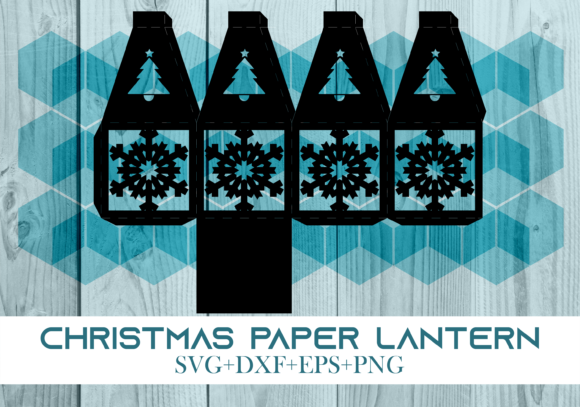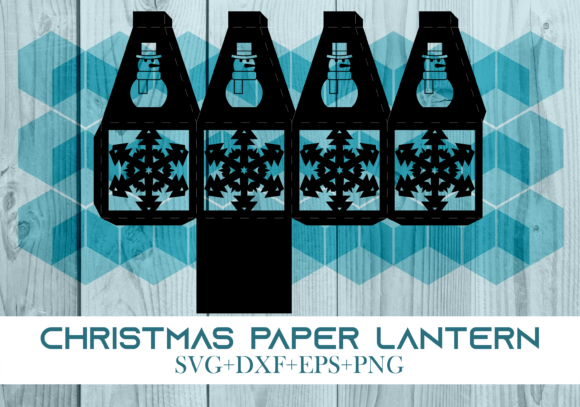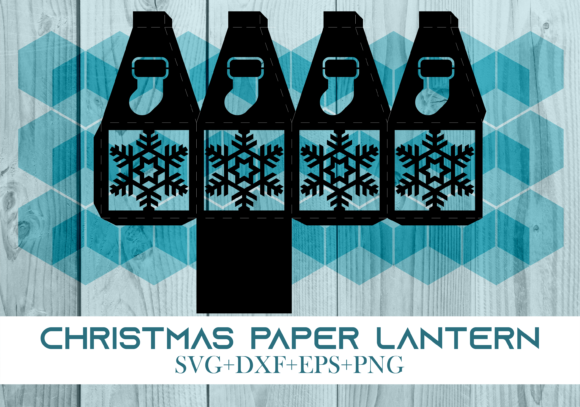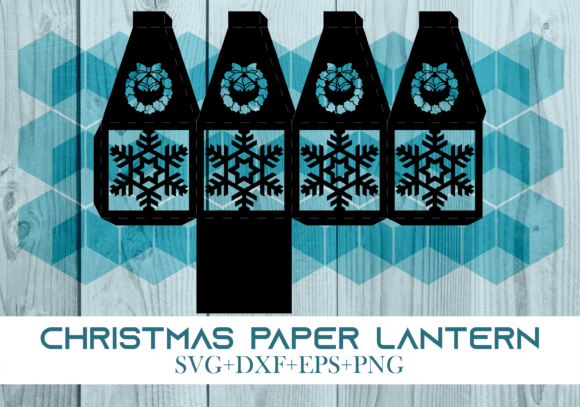
Christmas Paper Lantern Series 0528 Review
As a designer who constantly evaluates digital assets for both personal crafting and commercial production, I approach every new file with a critical eye. When I first opened Christmas Paper Lantern Series 0528, my immediate focus was on its structural integrity and seasonal versatility. The product description notes that this lantern is designed to fit on an 8.5 x 11.7 sheet, positioning it primarily as a 3D SVG for paper crafting. However, for those of us in the embroidery and mixed-media space, this dimension offers a unique opportunity. It provides a generous canvas size that can be adapted for large-format textile projects or scaled down for specific holiday embroidery applications. My review focuses on how this design translates from a digital cut file into a tangible, stitched reality for makers and shop owners.
Translating Paper Geometry to Stitched Texture
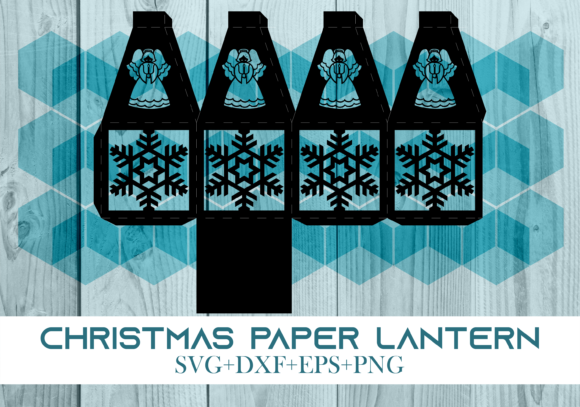
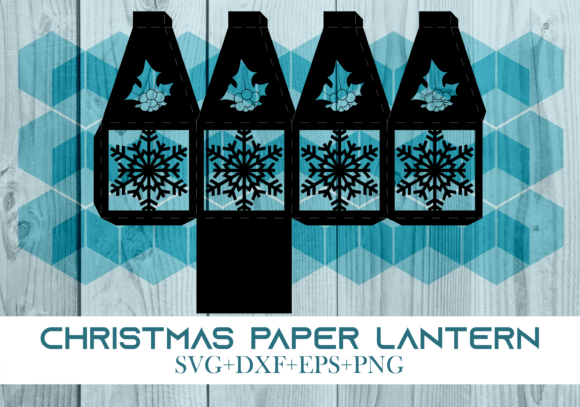
The visual personality of Christmas Paper Lantern Series 0528 is defined by clean lines and geometric precision, traits that are essential for paper assembly but require careful interpretation for needle and thread. In its original 3D SVG format, the design relies on fold lines and tabs. For an embroidery designer, these structural elements must be reimagined. Where a paper crafter sees a score line, I see a potential running stitch or a guide for appliqué placement. The mood is undeniably festive yet minimalist, making it an excellent candidate for modern holiday decor rather than traditional, ornate Victorian styles.
When evaluating this for a real-life scenario, I envisioned creating a custom embroidered tote bag for a boutique holiday market. A standard machine embroidery design often gets lost on heavy canvas, but the bold, graphic nature of this lantern series holds up beautifully. Because the source file is sized for letter/A4 paper, the proportions are naturally balanced for a center-chest placement on a sweatshirt or a prominent panel on a reusable shopping bag. The challenge lies in converting those crisp vector edges into satin stitch or fill stitch without losing the delicate "paper" aesthetic. If you are adapting this for fabric, you must decide whether to mimic the paper look with flat stitches or embrace the texture of embroidery to elevate the design beyond its digital origins.
Real-World Application: The Holiday Tote Test
I recently tested the concept behind Christmas Paper Lantern Series 0528 for a client requesting personalized gift packaging alternatives. Instead of disposable wrapping, we created keepsake tote bags featuring this lantern motif. The experience highlighted several practical considerations for Etsy sellers and small business owners. First, the scale is perfect for visibility. Small, intricate holiday embroidery often fails to photograph well for printable mockups or social media listings; this design’s larger footprint ensures it reads clearly in thumbnails and digital previews.
During the stitching process, I found that the design’s geometry demands high-quality stabilizer. Because the lantern shape likely involves long straight lines and potentially sharp corners, any fabric distortion will be immediately obvious. On a textured linen tote, I used a medium-weight cut-away stabilizer to maintain registration. For fellow apparel decorators considering this for sweatshirt embroidery, be mindful of the fleece backing. The pile can push stitches apart, so a topping might be necessary to keep the lantern’s edges crisp. This level of detail matters significantly for customer trust; buyers expect professional finishes, especially when purchasing handmade products at a premium price point.
Navigating Fabric Limitations and Hoop Constraints
While Christmas Paper Lantern Series 0528 is versatile, it is not universally forgiving. Designers must exercise caution when applying this to certain substrates. The 8.5 x 11.7 inch reference size suggests a tall, vertical aspect ratio. This can be problematic for standard embroidery hoops. Before committing to a project, verify your maximum hoop size. You may need to resize the design or split it into multiple hooping positions if you wish to retain the full scale. Resizing a geometric design too aggressively can distort the symmetry that makes the lantern visually appealing.
Fabric choice is equally critical. I would advise against using this design on highly stretchy knits or very thin sheers without significant modification. The density required to replicate the lantern’s solid forms could cause puckering on lightweight materials. Conversely, on dark fabrics, the design requires thoughtful thread color selection. A white or gold lantern on navy velvet creates stunning contrast, but only if the stitch density is sufficient to prevent the dark background from bleeding through. Always test on scrap fabric first. Check how the design interacts with the fabric texture; a complex fill stitch might compete with a busy print, whereas a simple outline or appliqué design would allow the base fabric to contribute to the overall aesthetic.
Commercial Viability for Makers and Sellers
For creative entrepreneurs, the value of a design extends beyond its beauty—it must be sellable. Christmas Paper Lantern Series 0528 possesses strong commercial potential due to its dual nature. As a 3D SVG, it appeals to the papercrafting demographic, but as an adapted embroidery asset, it opens doors for textile sellers. This cross-category appeal is gold for Etsy sellers looking to maximize their inventory with cohesive branding. Imagine offering a matching set: a physical embroidered ornament alongside a downloadable paper lantern template for customers who prefer DIY assembly.
However, professionalism dictates due diligence. Before listing any finished product derived from this file, confirm the licensing terms. Does the purchase include commercial rights for embroidered goods? Can you sell the digitized version if you convert it yourself? These legal distinctions protect your craft business. Furthermore, consider the perceived value. A generic snowman clipart feels mass-produced, but a structured, architectural lantern design feels curated and bespoke. Using distinct assets like this helps build brand recognition and justifies higher price points for custom apparel and holiday gifts.
Essential Technical Notes for Embroidery Adaptation
If you plan to bring Christmas Paper Lantern Series 0528 into your embroidery workflow, treat the adaptation process with technical rigor. Since this is marketed as a 3D SVG for paper, it does not come with pre-assigned stitch types. You are essentially acting as the digitizer. Here are my non-negotiable recommendations for success:
- Verify Dimensions: Confirm the exact measurements after importing into your embroidery software. Do not assume the 8.5 x 11.7 specification translates perfectly to millimeters in your hoop.
- Stitch Density Check: Paper designs have zero tolerance for gaps, but embroidery needs room to breathe. Adjust fill stitch density to prevent bulletproof stiffness while ensuring adequate coverage.
- Mockup Testing: Create black and white mockups to evaluate contrast independent of color. If the design lacks definition in grayscale, it will likely fail on fabric regardless of thread vibrancy.
- Stabilizer Strategy: Match your stabilizer to the end use. Tea towels and kitchen linens require wash-away toppings to prevent stitches from sinking into terry cloth, while nursery decor items benefit from soft, fusible backings for baby embroidery safety.
- Detail Inspection: Zoom in to 100% to inspect corner transitions. Sharp angles in vector files can become jagged messes in satin stitch. Add manual underlay or adjust pull compensation to ensure smooth execution.
Ultimately, Christmas Paper Lantern Series 0528 represents a sophisticated starting point for holiday projects. It bridges the gap between digital precision and handmade warmth. Whether you are creating a signature sweatshirt embroidery line, designing patches for a winter collection, or simply crafting a meaningful personalized gift, this design offers the structural elegance needed to stand out. Just remember that successful adaptation requires respecting the differences between paper and thread. With proper testing, stabilization, and artistic interpretation, this lantern can illuminate your product lineup and delight customers seeking authentic, well-crafted holiday decor.